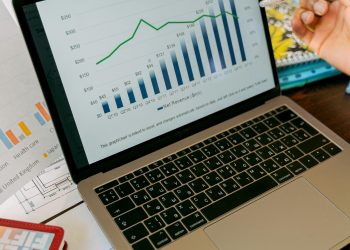


Mastering risk management in trading is essential for every trader who aims to protect their hard-earned assets while navigating the volatile financial markets. In this article, we will delve into the crucial aspects of risk management, helping you understand how to apply effective strategies to minimize your exposure to losses and maximize potential returns. With practical tips and in-depth strategies, you will be equipped to take on the trading world confidently and cautiously.
Understanding Risk Management in Trading
Risk management refers to the process of identifying, assessing, and prioritizing risks, followed by coordinated efforts to minimize, monitor, and control the probability or impact of unfortunate events. In the context of trading, risk management is critical for preserving your capital and ensuring long-term success. Without effective risk management, even the most experienced traders can encounter significant losses.


Why Is Risk Management Important?
The importance of risk management in trading cannot be overstated. Here are some key reasons:
- Protects Capital: Managing risk decreases the likelihood of significant losses that can wipe out trading accounts.
- Promotes Consistency: Effective risk management allows traders to achieve consistent returns over time rather than sporadic, large gains followed by devastating losses.
- Emotional Control: A solid risk management plan helps traders stick to their strategies, even during emotionally charged market scenarios.
- Long-term Success: Traders who master risk management develop sustainable trading practices that enhance their chances of long-term profitability.
Key Strategies for Effective Risk Management
To implement risk management in trading effectively, consider the following key strategies:
1. Position Sizing
Position sizing determines how much capital you allocate to a particular trade. This is crucial because improper position sizing can expose you to excessive risk. The recommended approach is to risk only a small percentage of your trading capital on any single trade, typically 1-2%. To calculate your position size, follow these steps:
- Identify your stop-loss level and the distance (in pips or points) from your entry price.
- Determine your total trading capital.
- Calculate the dollar amount you’re willing to risk (e.g., 1% of your trading capital).
- Divide that risk amount by the distance to your stop-loss to determine your position size.
2. Setting Stop-Loss and Take-Profit Orders
Using stop-loss orders can restrict your potential losses, while take-profit orders help lock in profits when trades move favorably. Here’s how you can set them effectively:
- Stop-Loss: Analyze market conditions and set a stop-loss order at a level that limits your loss without being too tight. A common strategy is to place it beyond a recent support or resistance level.
- Take-Profit: Define clear profit targets based on risk-reward ratios (ideally 1:2 or 1:3) to ensure that your potential profits outweigh potential losses.
3. Diversification
Diversification involves spreading your investments across various financial instruments or asset classes to reduce risk. By not putting all your eggs in one basket, you can lower the impact of a poor-performing trade on your overall portfolio. Consider diversifying across:
- Different asset classes (stocks, bonds, commodities, etc.)
- Diverse sectors (technology, healthcare, finance, etc.)
- Various geographical markets (domestic and international investments)
4. Regularly Reviewing Trades
Continuous analysis of your trading performance is essential for improving your risk management strategies. Regularly reviewing your trades can help you identify patterns, understand what works and what doesn’t, and make necessary adjustments. Consider using a trading journal to document:
- Trade entry and exit points
- Conditions at the time of trading
- Outcomes of each trade and lessons learned
Common Risk Management Mistakes to Avoid
To enhance your risk management practices, be aware of these common pitfalls:
- Ignoring Emotion: Allowing emotions like fear or greed to dictate your trading decisions can lead to poor risk management.
- Over-Leveraging: Using excessive leverage can amplify losses beyond your capacity to recover.
- Poor Risk-Reward Ratio: Not adhering to a favorable risk-reward ratio can result in greater losses over time.
- Neglecting Market Conditions: Failing to adapt your trading strategies according to changing market conditions can expose you to unnecessary risks.
Risk Management Tools and Resources
Traders can utilize various tools and resources to enhance their risk management practices, including:
- Trading Platforms: Use trading platforms that provide built-in risk management features like stop-loss and take-profit settings.
- Risk Management Calculators: Tools that help calculate optimal position sizes based on desired risk levels.
- Education Resources: Invest time in webinars, courses, and literature focused on risk management in trading.
Building a Risk Management Plan
Developing a comprehensive risk management plan involves the following steps:
- Set clear objectives for your trading, including risk tolerance levels.
- Implement position sizing strategies suitable for your capital and desired risk levels.
- Establish precise entry, exit, stop-loss, and take-profit parameters for every trade.
- Regularly review and adjust your plan according to changing market conditions and personal trading performance.
Q&A Section
What is risk management in trading?
Risk management in trading is the process of identifying, analyzing, and mitigating potential losses in financial trading. It involves setting rules and strategies to protect capital while maximizing returns.
Why is position sizing important?
Position sizing helps manage risk by ensuring that no single trade significantly impacts your overall capital. It dictates how much capital is allocated to each trade, minimizing the chances of large losses.
How can I create an effective risk management plan?
An effective risk management plan should include setting clear trading objectives, implementing proper position sizing, defining entry and exit rules, and regularly reviewing your performance to adapt strategies as needed.
Conclusion
Mastering risk management in trading is a vital skill that can significantly influence your success in the financial markets. By understanding the principles of risk management and applying them consistently, you can protect your assets, enhance your trading performance, and build a sustainable trading career. Don’t leave the future of your trading to chance; take control today by developing and refining your risk management strategies.
For more insights and resources about enhancing your trading journey, visit our blog for the latest tips and guidance.