

In recent years, the foreign exchange market, commonly known as Forex, has gained immense popularity among traders and investors around the globe. As the largest financial market in the world, Forex offers unparalleled opportunities for wealth creation, yet it remains shrouded in mystery for many. This article will dive deep into the world of Forex, uncovering its secrets, its workings, and how you can leverage it to unlock your financial potential. Whether you are a seasoned trader or a curious beginner, this comprehensive guide will equip you with invaluable insights to navigate the Forex landscape.
What is Forex?
Forex, short for foreign exchange, refers to the global marketplace for exchanging national currencies against one another. Unlike stock markets, Forex operates 24 hours a day and is decentralized, meaning it does not have a central exchange. The Forex market allows individuals, companies, and institutions to convert one currency into another, facilitating international trade, investment, and travel.

The Importance of Forex
Forex plays a pivotal role in the global economy and financial system. It helps in the transfer of purchasing power between nations and stabilizes the prices of currencies. The liquidity and volume of Forex trading set it apart from other markets, making it an attractive option for traders. Here are some reasons why Forex is important:
- Liquidity: With an average daily trading volume exceeding $6 trillion, Forex is the most liquid market worldwide.
- Accessibility: Traders can participate in Forex with low capital, enabling anyone to start trading.
- 24/5 Trading: The Forex market is open five days a week, allowing traders from different time zones to trade at their convenience.
- Diverse Trading Options: Forex offers a variety of trading pairs, allowing traders to choose from a wide range of currency combinations.
How Forex Works
The operation of the Forex market is quite unique, revolving around various concepts such as currency pairs, bid/ask prices, and pips. Understanding these foundational elements is crucial for anyone looking to conquer the Forex arena.
Currency Pairs
Currencies are traded in pairs, which means that when you buy one currency, you sell another. The first currency in a pair is known as the base currency, while the second is the quote currency. Common examples include:
- EUR/USD: Euro to US Dollar
- GBP/JPY: British Pound to Japanese Yen
- AUD/NZD: Australian Dollar to New Zealand Dollar
Bid and Ask Prices
The bid price is the amount a trader is willing to pay for a currency, while the ask price is how much a trader is willing to sell it for. The difference between these two prices is called the spread, which indicates the cost of trading.
Pips
A pip, short for “percentage in point,” is a unit of measurement that expresses the change in value between two currencies. In most currency pairs, a pip is typically equal to 0.0001. Understanding pips is essential for calculating gains and losses in Forex trading.
Types of Forex Trading
Forex trading can be categorized into several types based on the trader’s strategy and motivations. Here are the most common forms:
- Day Trading: Involves opening and closing trades within the same day to capitalize on short-term market fluctuations.
- Swing Trading: Traders hold positions for several days to take advantage of expected price movements.
- Scalping: A fast-paced strategy that focuses on small price changes, often holding positions for just minutes.
- Position Trading: Involves holding positions long-term, based on economic trends and analysis.
Risk Management in Forex Trading
With the potential for high rewards comes the possibility of significant losses. Effective risk management is crucial for long-term success in Forex trading. Here are some strategies traders can implement:
- Use Stop Loss Orders: Limit potential losses by setting a predetermined level where trades will be automatically closed.
- Diversify Your Portfolio: Spread your investments across different currency pairs to mitigate risks.
- Understand Your Leverage: While leverage can amplify gains, it can also magnify losses. Use it cautiously.
- Keep Emotions in Check: Develop a disciplined approach to trading, avoiding impulsive decisions based on fear or greed.
Common Strategies for Trading Forex
There are numerous strategies that traders employ in their quest for profitability. Understanding and implementing effective strategies can greatly enhance your trading outcomes. Here are some widely-used Forex trading strategies:
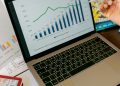
- Technical Analysis: Involves studying historical price charts and using various indicators to predict future price movements.
- Fundamental Analysis: Focuses on economic indicators, news releases, and geopolitical events that can influence currency values.
- Sentiment Analysis: Measures market sentiments and trends by analyzing trader behavior and positioning.
- Algorithmic Trading: Involves using automated programs to execute trades based on predefined criteria.
The Future of Forex Trading
The Forex market is continually evolving, with advancements in technology and market dynamics influencing trading practices. Some trends to watch for include:
- Artificial Intelligence: AI-driven trading platforms are becoming increasingly popular, helping traders analyze data and execute trades efficiently.
- Mobile Trading: The rise of mobile applications allows traders to access the Forex market anytime and anywhere.
- Regulatory Changes: As the Forex market matures, regulatory frameworks are tightening to protect traders and ensure transparency.
Q&A Section
What is the minimum amount of money needed to start trading Forex?
The amount of money needed to start trading Forex can vary significantly depending on the broker and trading strategy. Some brokers offer accounts with a minimum deposit of just $100, while others may require larger amounts. Generally, it’s advisable to start with what you can afford to lose.
Is Forex trading suitable for everyone?
Forex trading can be lucrative, but it’s not suitable for everyone. It requires a good understanding of the market, disciplined risk management, and a willingness to learn. Those who are uncomfortable with high-risk investments or who do not have the time to dedicate to learning the ins and outs of trading may want to consider safer investment alternatives.
How can I learn Forex trading?
There are many resources available to learn Forex trading, including online courses, broker tutorials, eBooks, and forums. Consider starting with a demo account to practice without risking real money. Additionally, following reputable trading educators and market analysts can provide valuable insights.
Conclusion
Understanding Forex and mastering its intricacies can open doors to wealth and financial freedom. As the financial world grows increasingly interconnected, the ability to engage in global trading becomes a valuable asset. Whether you’re looking to trade as a hobby or aiming for a full-time career, the knowledge and strategies you acquire will be your greatest tools. Begin your Forex journey today and explore the boundless opportunities this market has to offer!
For further resources and tools to assist you on your trading journey, click here to explore more on our site!